

 See My Latest Article on HelloNation
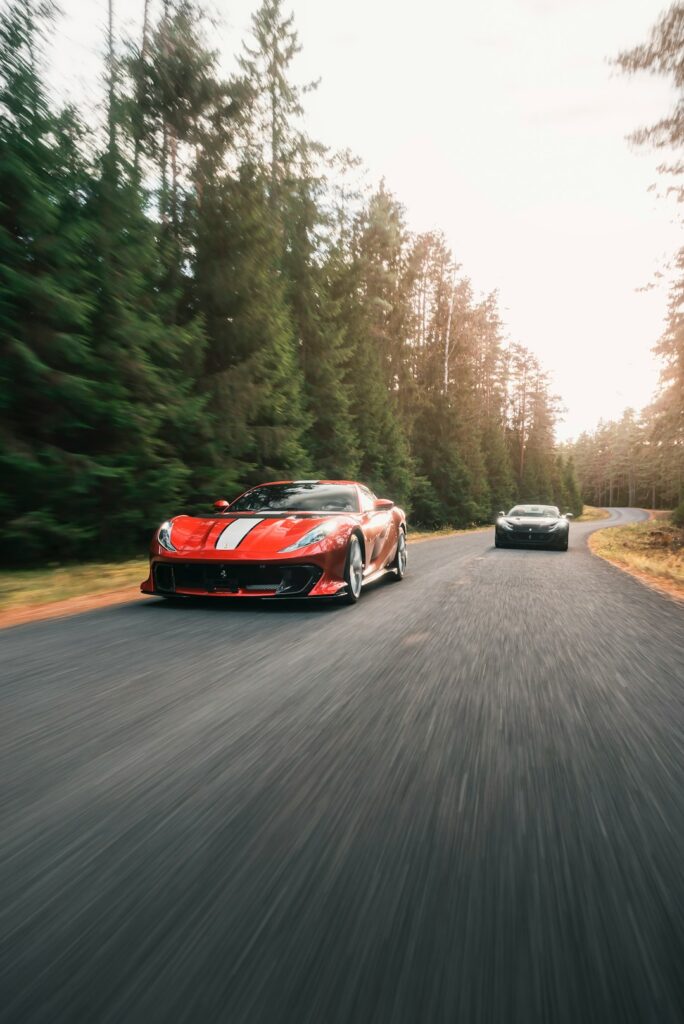
What separates a supercar from a regular sports car?
A supercar is generally a higher-performance, more specialized vehicle than a regular sports car. The difference is not based on one feature alone. It usually involves a combination of acceleration, top speed, braking, aerodynamics, construction materials, engineering complexity, exclusivity, and cost.
A sports car is designed primarily to make driving more responsive and enjoyable than an ordinary passenger vehicle. A supercar takes that idea further, often using technology and performance capabilities influenced by racing or advanced engineering programs.
The categories are not defined by one universal legal standard, so some vehicles sit between them. A particularly powerful sports car may approach supercar performance, while a supercar may still be comfortable enough for ordinary road use.
How does performance differ?
Performance is one of the clearest distinctions, although numbers alone do not tell the entire story.
Many sports cars provide quick acceleration, strong cornering ability, and a responsive connection between the driver and the road. They are often designed to remain enjoyable at legal road speeds and manageable during everyday driving.
Supercars typically deliver more extreme performance in several areas:
- Faster acceleration from a standstill
- Higher top speeds
- More powerful braking systems
- Greater cornering grip
- More sophisticated suspension and traction systems
- Improved stability at high speeds
- More aggressive aerodynamic control
A supercar may use launch control, electronically managed differentials, adaptive suspension, or active aerodynamic components. These systems help the vehicle maintain traction, control body movement, and generate stability during demanding driving.
That does not mean a supercar is always more enjoyable on public roads. Much of its capability may only become useful on a closed course, where higher speeds and harder braking can be used legally and safely.
Are supercars always faster?
Not necessarily. Some modern sports cars can accelerate extremely quickly, particularly those using all-wheel drive, hybrid assistance, or high-output electric powertrains.
The distinction is better understood as a complete package rather than a single specification. A supercar often combines speed with advanced chassis engineering, lightweight construction, specialized cooling, aerodynamic development, and a more focused driving experience.
For example, two cars may have similar acceleration figures, but the supercar may have more advanced braking hardware, stronger resistance to heat buildup, a lighter body, and greater stability during repeated high-performance driving.
Performance measurements can also vary with conditions. Tire temperature, road surface, fuel load, air temperature, elevation, and driver technique all affect results.
What role does design and construction play?
Supercars commonly use lightweight materials such as aluminum, carbon fiber, magnesium, and specialized composites. Reducing weight can improve acceleration, braking, steering response, and efficiency at the same time.
A sports car may also use lightweight materials, but a supercar is more likely to be engineered around weight reduction from the beginning. The structure, suspension, body panels, seats, wheels, and even interior components may be selected with performance in mind.
Aerodynamics also creates a meaningful difference. A regular sports car may use spoilers or diffusers primarily for styling and moderate stability. A supercar may use carefully shaped bodywork, underbody channels, air vents, splitters, and active wings to manage airflow.
These features can help keep the vehicle stable, cool the engine and brakes, and increase grip at speed. They may also make the car more sensitive to steep driveways, uneven pavement, parking barriers, and road debris.
Do supercars feel different to drive?
Yes. A supercar often feels more immediate, specialized, and demanding than a regular sports car.
The steering may respond with very small inputs. The accelerator can deliver substantial power quickly, and the brakes may require less pedal movement than drivers expect. The suspension may feel firm, particularly in the settings intended for track use.
Some supercars provide multiple driving modes. A comfort setting may soften the suspension and reduce throttle sensitivity, while a sport or track setting may sharpen responses and permit more wheel slip.
A sports car is often easier to drive casually because its controls are calibrated for a broader range of conditions. This can make it better suited to commuting, errands, and relaxed weekend driving.
Supercars can still be road-friendly, but they usually require more attention to speed, pavement changes, low-clearance areas, and operating temperatures.
How does ownership differ in practical terms?
Ownership demands can be greater even when the vehicle is driven gently.
Supercars may have limited ground clearance, wide bodywork, large wheels, highly specialized tires, and cooling systems designed for substantial heat. These characteristics can create challenges on ordinary streets and in residential settings.
In Scottsdale, AZ, hot weather adds another practical consideration. High temperatures can affect tire pressures, cabin heat, battery performance, and fluid temperatures. A vehicle that sits in direct sunlight may also experience faster interior aging and greater stress on rubber, plastic, and electronic components.
Dust and fine road debris can affect visibility, paint, air filters, and moving components. Seasonal storms may bring standing water or debris onto roads, conditions that are not ideal for low-slung performance vehicles.
Owners also need to consider storage. Covered parking can reduce exposure to intense sunlight and heat, while careful attention to tire condition helps prevent problems when a vehicle is driven infrequently.
Are supercars practical for everyday driving?
Some are, but practicality varies widely.
A supercar with front-end lift, a comfortable driving mode, useful luggage space, and reasonable visibility may be manageable for occasional errands or scenic drives. Another model may have limited storage, difficult entry and exit, a stiff ride, and poor clearance for common road features.
Regular sports cars are usually easier to use every day because they tend to offer:
- More forgiving ride comfort
- Better visibility
- More usable cargo space
- Lower operating complexity
- Easier access in ordinary parking areas
- Tires and brakes designed for broader use

The best choice depends on how the vehicle will be used. A person seeking an engaging drive on weekends may appreciate either category. Someone expecting regular commuting, shopping, or long-distance travel may find a sports car more practical.
Is a luxury car the same as a supercar?
No. Luxury and performance are separate ideas.
A luxury vehicle emphasizes comfort, quietness, materials, technology, space, and refinement. A supercar emphasizes performance, response, engineering, and driving intensity. Some vehicles combine both, but a high price or premium interior does not automatically make a car a supercar.
Likewise, a supercar may have an expensive cabin but still prioritize weight reduction over rear-seat space, sound insulation, and convenience features.
Is every exotic-looking car a supercar?
No. Appearance is not a reliable classification.
Some sports cars have dramatic styling, loud exhaust systems, or unusual doors without offering supercar-level performance. Conversely, some high-performance vehicles have relatively restrained designs.
A more useful evaluation considers the entire vehicle:
- Engine or motor output
- Power-to-weight ratio
- Chassis design
- Braking performance
- Aerodynamics
- Cooling capacity
- Tire technology
- Suspension systems
- Intended use
Supercars are best understood as highly engineered performance vehicles, not simply expensive or visually striking cars.
What should local drivers keep in mind?
Public roads are not racetracks, regardless of a vehicle’s capability. Scottsdale’s broad roads, intense summer heat, pavement transitions, traffic patterns, and occasional debris all reward smooth driving rather than maximum acceleration.
Drivers should allow performance components to reach suitable operating temperatures, check tire pressures regularly, approach steep transitions slowly, and leave extra distance for braking. High-performance tires can also behave differently in cold conditions or after extended storage.
The central difference is simple: a sports car improves the driving experience, while a supercar pushes performance, engineering, and specialization much closer to the limits of road-going design.